
Vibration on Machine Foundation
Categories: Technical Educational Equipment
Product Code: ASLE134




About this product
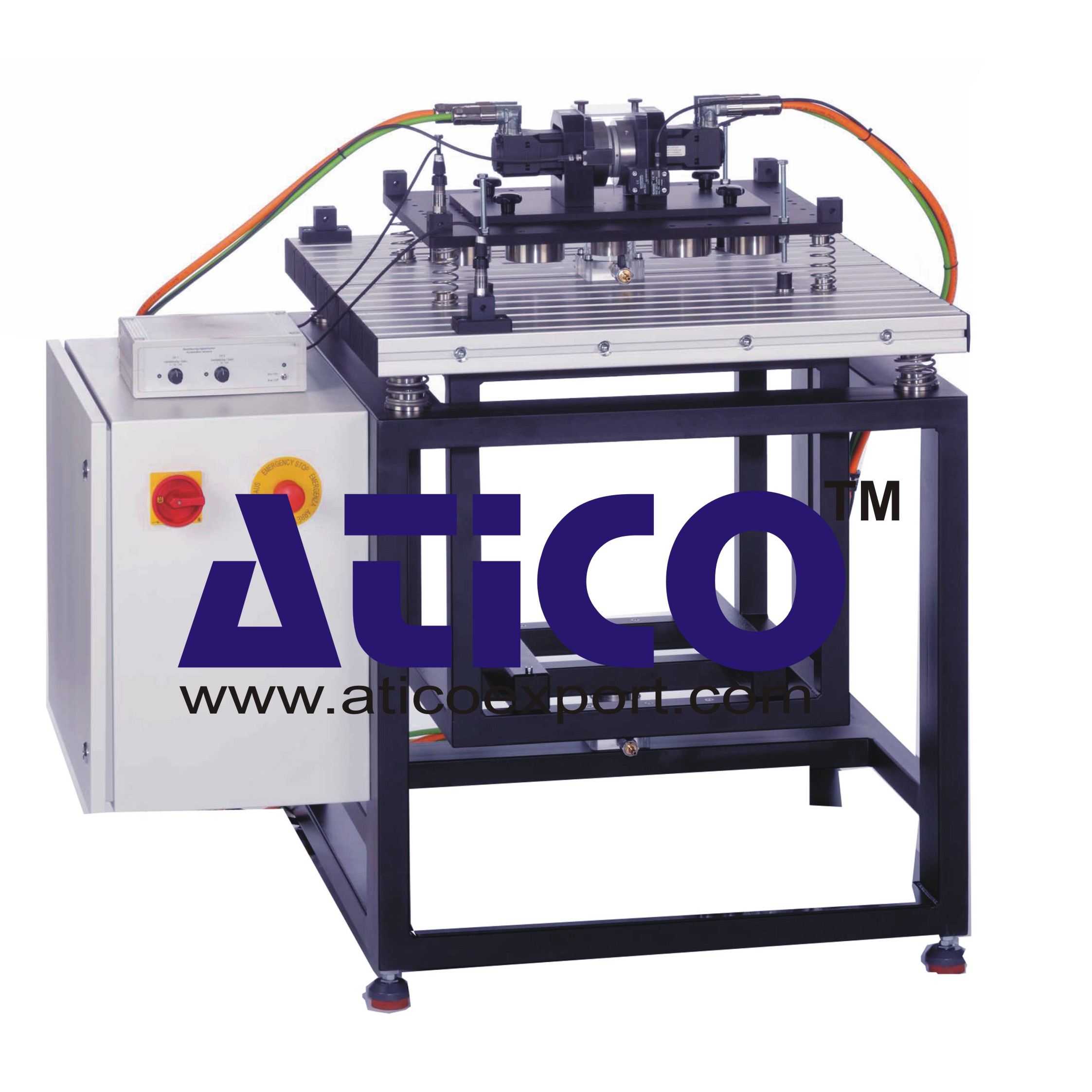
Vibration on Machine Foundation
Technical Description:
An indispensible element of machine design is targeted reduction of vibrations. An elastic, vibration insulating installation of the machine avoids the transmission of harmful vibrations to the surroundings. The vibration on machine foundation can be used to investigate the problems of foundations and vibration isolation using a practical example. To do this, vibrations are generated and measured on a foundation. Springs are then used to try out different tunings and vibration absorbers are used to investigate absorption effects. The experimental setup consists of: “Machine”, foundation and frame. A vibration generator is used as the “machine”. This is installed on a foundation using springs and dampers. The foundation represents the surroundings and can be used to measure the effectiveness of the vibration isolation. Additional helical springs connect the foundation to the actual frame of the trainer. This double vibration isolation, combined with the high fixed weight of the frame, guarantees vibration-free laboratory operation, even under unfavourable experimental conditions. A switch cabinet is fixed to the frame, in which the controller, power supply and data acquisition are housed. The vibration generator consists of two independently driven imbalance sets. This enables different forces and force directions to be generated. Alternatively, a piston compressor can be used to generate the vibrations. The vibration acceleration, speed and displacements are recorded. The operating vibration forms are also measured and represented.
Specification:
1. Representing and investigating vibrations on machine foundations 2. Vibration generator generates vibrations by imbalance 3. Vibration-free operation due to additional vibration isolation of foundation 4. 2 brushless high power servo motors as the “machine” drive 5. Eccentricity, rotation frequency, direction of rotation, phasing and frequency ratio adjustable 6. Variable arrangement of vibration absorbers for absorption of vibrations 7. Vibration measurement using acceleration sensors 8. Inductive position sensor records the eccentricity of the imbalance massesTechnical Data:
Drive motors
- max. speed: 6000min-1 - max. torque: approx. 3,40Nm “Machine” mounted on a plate - mass: max. 26kg (incl. additional weights 4x 2kg) - max. imbalance: 2x 5kgmm - max. imbalance force: 2x 500N (up to 3000min-1)
Foundation
- mass: max. 73kg (inc. additional weights 5x 9,4kg) - min. natural frequency: 2,66Hz
Compression springs
- Spring constant C: 2,44N/mm...139,53N/mm - transverse rigidity Cq: 0,30N/mm...90,0N/mm
Measuring range
- acceleration: 50g
Related Products
Wireless Network Coordinator Trainer
Features of Wireless Network Coordinator Trainer: Wireless Sensor Networking Developmen...
AC Position Control System Using PID
AC Position Control System Using PID Features of AC Position Control System Using PID O...
DC Position Control System Using PID
DC Position Control System Using PID Features of DC Position Control System Using PID 4...
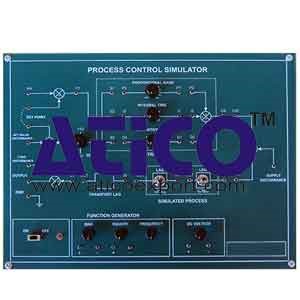
Process Control Simulator
Process Control Simulator Features Built-in Function generator (Sine & Square wave)...
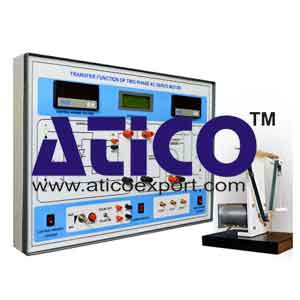
Transfer Function of AC Servo Motor
Transfer Function of AC Servo Motor Atico Export is the best Transfer Function of AC Servo...
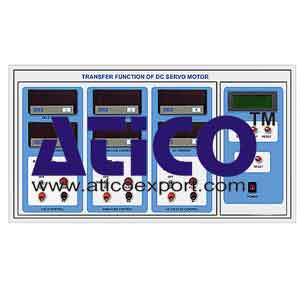
Transfer Function of DC Servo Motor
Transfer Function of DC Servo Motor Features of Transfer Function of DC Servo Motor On...
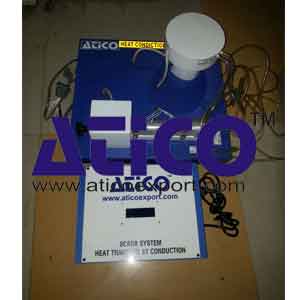
Scada System Heat Transfer Lab
Scada System Heat Transfer Lab Technical Description In Scada System Heat Transfer Lab, th...
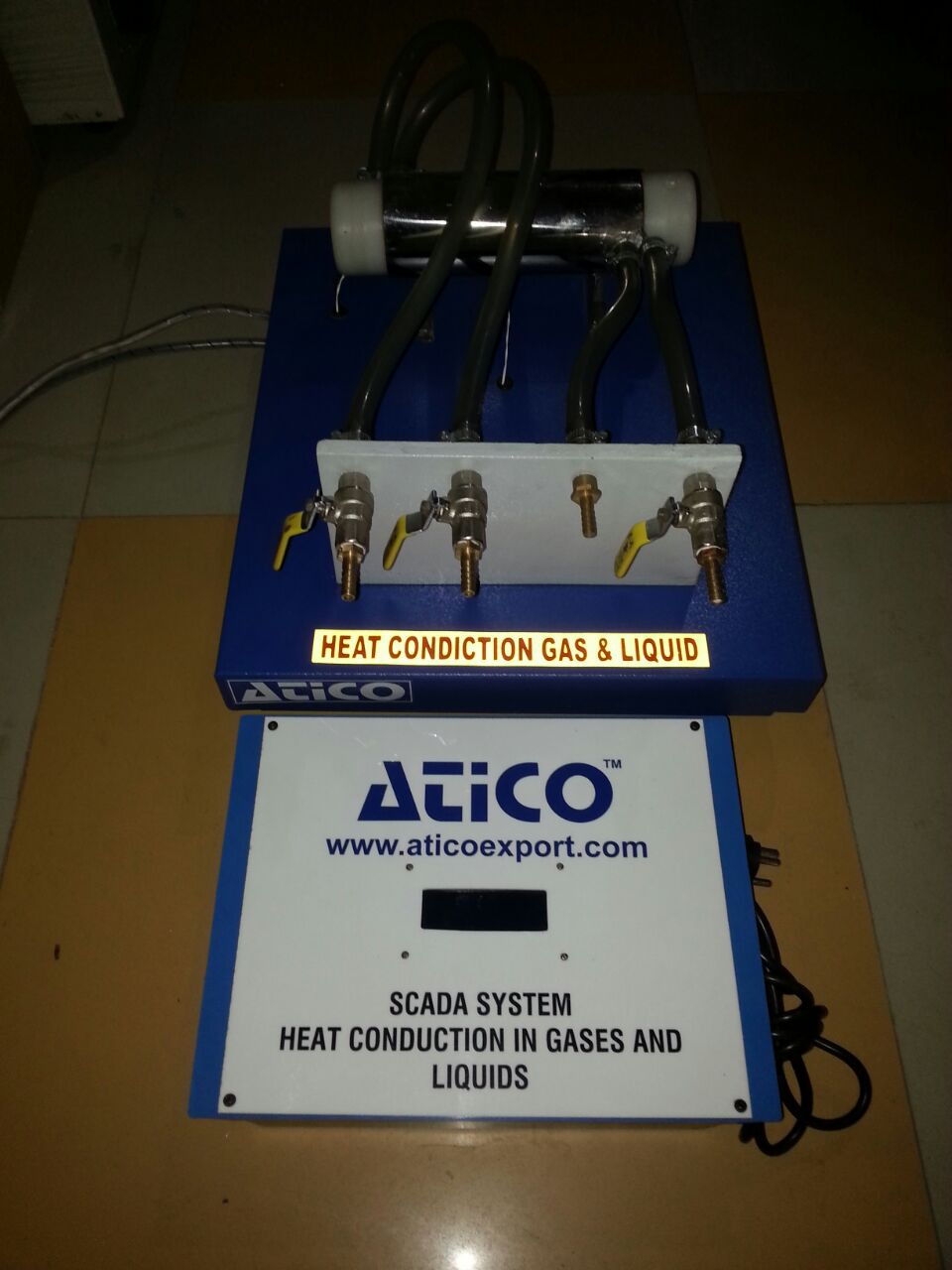
Scada System Heat Conduction in Gases and Liquid
Scada System Heat Conduction in Gases and Liquid Technical Description Scada System Heat...