
Essentials of Process Control
Categories: Technical Educational Equipment
Product Code: AEPC002



About this product
Essentials of Process Control
Specification Level Control Process Flow Control Process Temperature Control Process Pressure Control Process Industrial PID Controller Programmable Logic Controller Sensor Conditioning and Calibration Trainer Key Features > Open Loop and Closed loop processes > On/off control (Fixed Dead Band) > P, PI and PID control > Underdamping and overdamping > Time proportioning control > Onset of instability > Manual loop tuning > Effect of filtering on sensor outputs > Commercial PID controllers > Autotuning > Ladder Logic controllers > Effect of Sample Time and Cycle Time > Sensor Calibration > Sensor electrical characteristicsDescription
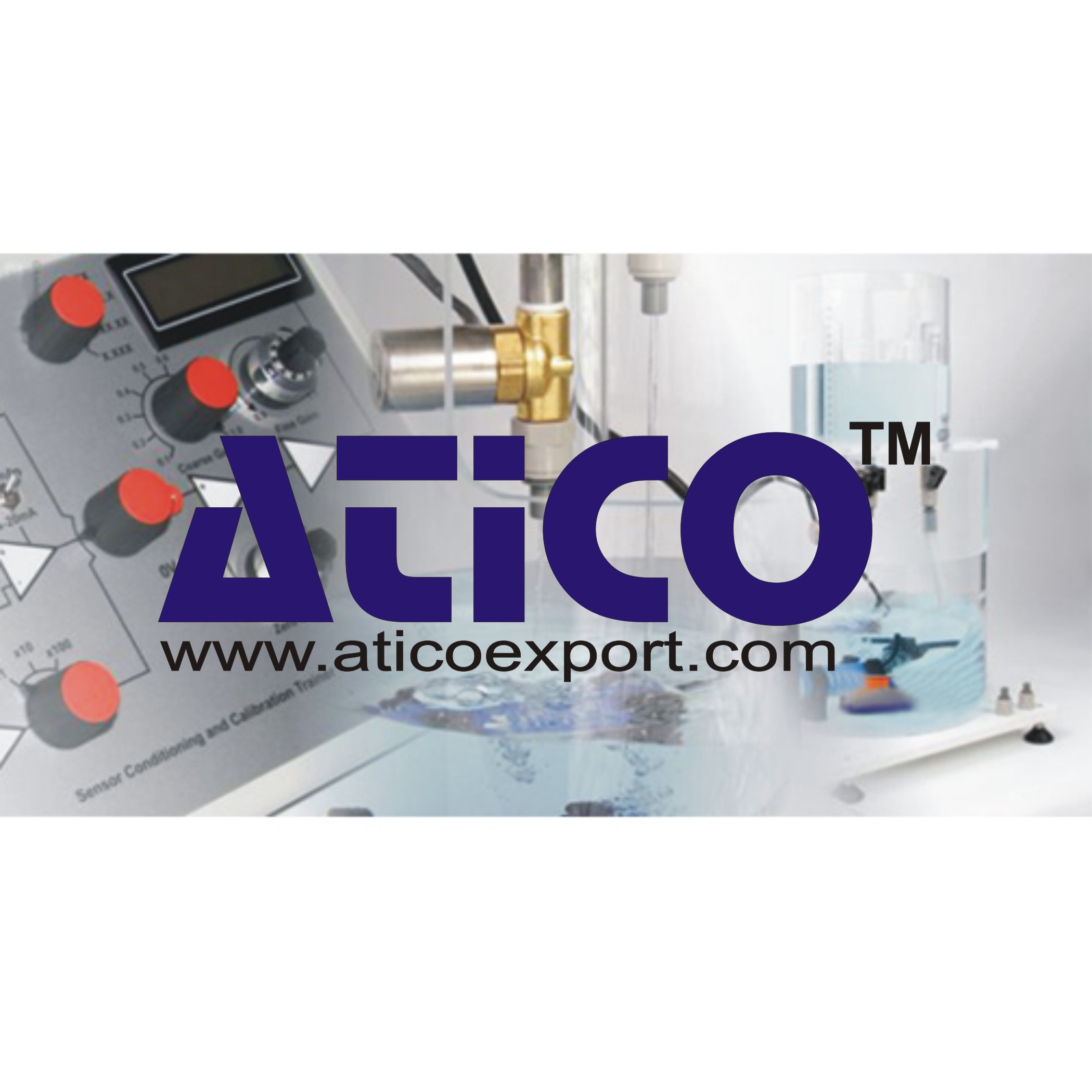
The Essentials of Process Control (EPC) range of products takes students through the fundamentals and principles of process control and progresses to give them a thorough grounding in the control of physical processes. Four independent process units demonstrate level, flow, temperature and pressure as the controlled variable.
The concepts of closed loop control, including on/off control, proportional control, proportional/integral and proportional/integral/derivative (PID) control can be explored and demonstrated. Some units also cover both time proportioning and analogue control of the same parameter. Each process is supplied complete with software that allows it to be controlled using a Windows PC via a USB connection. The effect of making changes to the system or to the controller configuration can be quickly investigated by applying repeatable disturbances or step changes to the process. Comparison of the responses obtained with different control settings clearly demonstrates the need for correct matching of the controller to the system characteristics.
To demonstrate industrial control systems, two further controlling devices are available, a full function commercial PID controller with autotune, and a programmable logic controller (PLC). The plc has the control algorithms implemented in ladder logic and so are fully accessible to the user. Another fundamental aspect of process control is an understanding of sensors and how they are calibrated. This is demonstrated by a sensor calibration apparatus designed specifically to demonstrate this subject.
Related Products
Wireless Network Coordinator Trainer
Features of Wireless Network Coordinator Trainer: Wireless Sensor Networking Developmen...
AC Position Control System Using PID
AC Position Control System Using PID Features of AC Position Control System Using PID O...
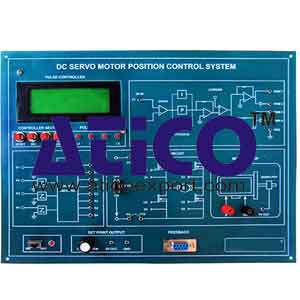
DC Position Control System Using PID
DC Position Control System Using PID Features of DC Position Control System Using PID 4...
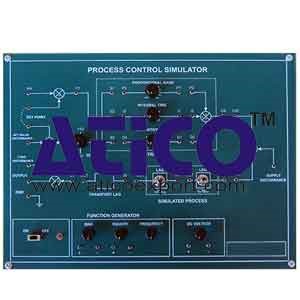
Process Control Simulator
Process Control Simulator Features Built-in Function generator (Sine & Square wave)...
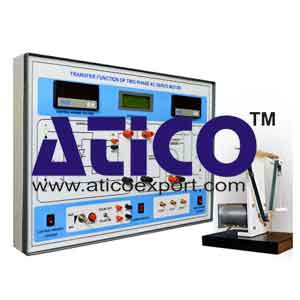
Transfer Function of AC Servo Motor
Transfer Function of AC Servo Motor Atico Export is the best Transfer Function of AC Servo...
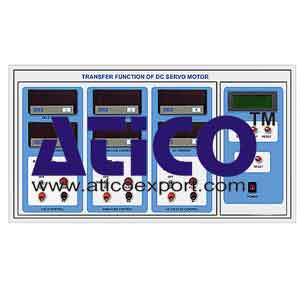
Transfer Function of DC Servo Motor
Transfer Function of DC Servo Motor Features of Transfer Function of DC Servo Motor On...
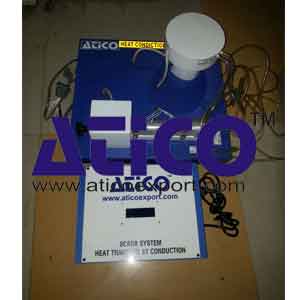
Scada System Heat Transfer Lab
Scada System Heat Transfer Lab Technical Description In Scada System Heat Transfer Lab, th...
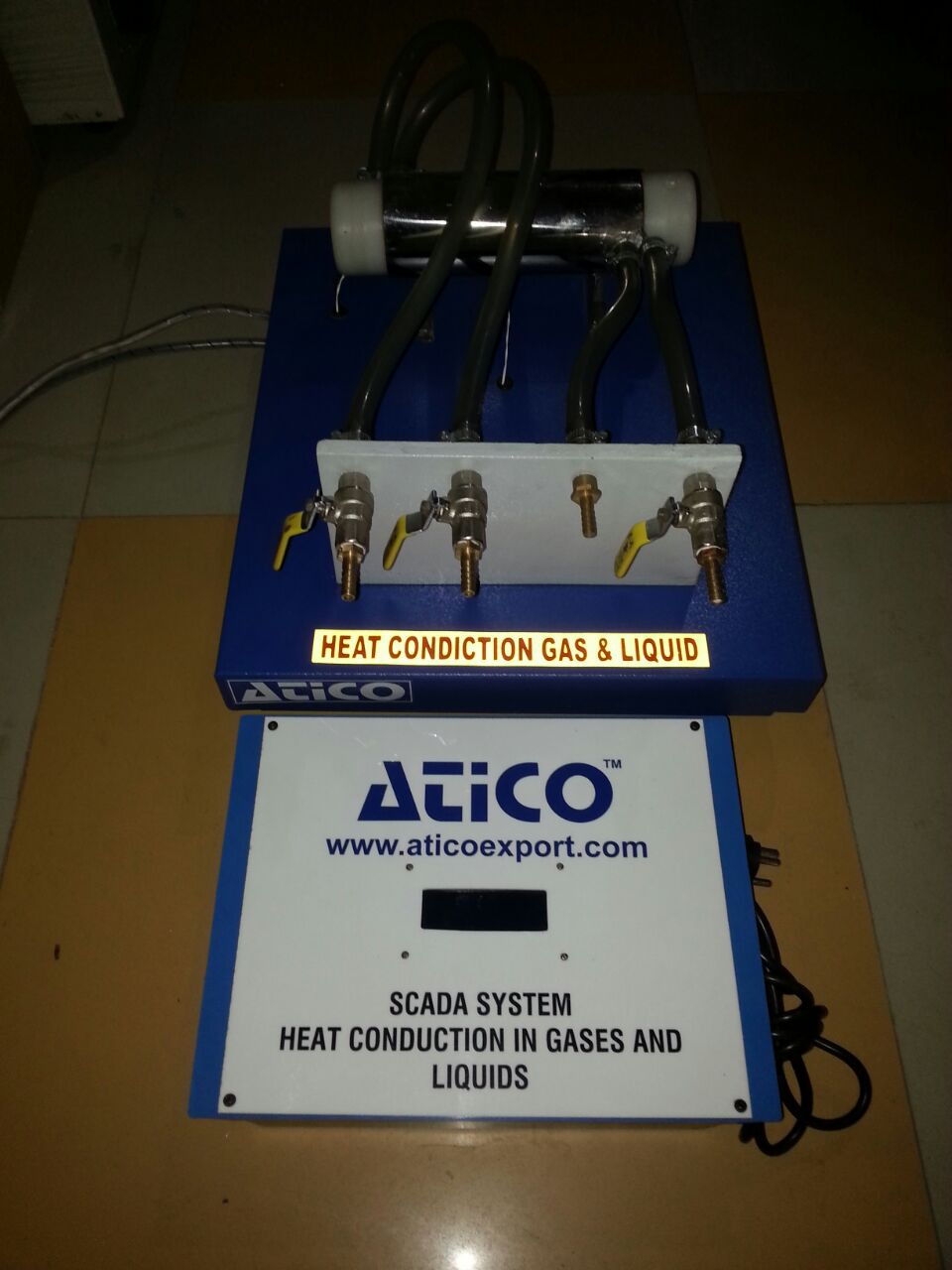
Scada System Heat Conduction in Gases and Liquid
Scada System Heat Conduction in Gases and Liquid Technical Description Scada System Heat...